Table of Contents
After twelve-hour shifts in the ER and multiple code blues, I’ve learned that disposable scrub pants either become your trusted ally or your constant frustration. The search for reliable disposable scrub pants often leads healthcare workers through a maze of conflicting claims—fluid resistance that fails when it matters, waistbands that dig in by hour six, and materials that feel more like plastic bags than professional attire.
Having tested numerous brands across different clinical environments, I approached the Tronex Fluid Resistant Disposable Scrub Pants with both optimism and skepticism. At around $65 for what appears to be a standard pack, they sit in the mid-range price point—promising protection without the premium cost. But in healthcare, where a single fluid exposure can mean hours of paperwork and potential health risks, the real question isn’t about price—it’s about performance when seconds count.
Key Takeaways
- Solid mid-range performers that balance adequate fluid protection with reasonable comfort for shift-long wear
- Elastic waistband accommodates various body types but may require sizing up for taller individuals
- Breathable enough for active shifts though not as advanced as premium disposable materials
- Solid choice for routine clinical use but may not withstand high-pressure surgical environments
- Better value than budget options when considering protection-to-cost ratio
Quick Verdict
Best for: Nurses, dental professionals, clinic staff, and technicians needing reliable daily protection without premium pricing. The Tronex disposable scrub pants deliver consistent performance for routine clinical encounters where fluid exposure is possible but not constant.
Not ideal for: Surgeons in lengthy procedures, emergency trauma teams facing massive fluid exposures, or professionals requiring ASTM-rated protection levels. The fluid resistance is adequate for splashes but may not withstand sustained fluid contact.
Core strengths: The elastic waistband genuinely accommodates different body shapes without digging, the straight-leg design allows natural movement, and the balance between protection and breathability works well for most clinical settings.
Core weaknesses: The material lacks the advanced feel of premium disposables, the sizing runs slightly short for taller individuals, and the protection isn’t certified to specific ASTM standards that some facilities require.
Product Overview & Specifications
Tronex positions these fluid resistant scrub pants as everyday workhorses for healthcare environments where contamination control matters. The multilayer nonwoven construction aims to provide protection without sacrificing all-day comfort—a challenging balance that many budget options get wrong.
| Specification | Details |
|---|---|
| Material | Multilayer nonwoven spunbond |
| Key Feature | Fluid resistant, breathable |
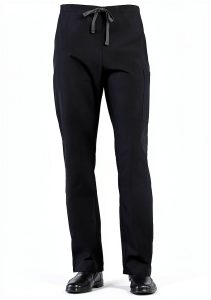
| Fit | Straight-leg with elastic waistband |
| Closure | Full elastic with internal drawstring |
| Pockets | Single back pocket |
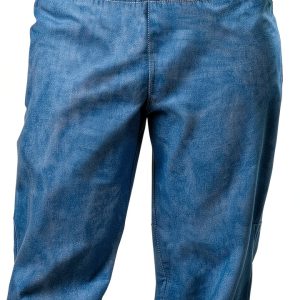
| Color | Opaque blue |
| Intended Use | Medical, dental, laboratory settings |
| Protection Level | Fluid resistant (not fluid proof) |
The straight-leg design with full elastic waistband makes these medical scrub bottoms accessible to various body types—a practical consideration in diverse healthcare teams. The back pocket, while minimal, provides just enough storage for a phone or small notebook during rounds.
Real-World Performance & Feature Analysis
Design & Build Quality
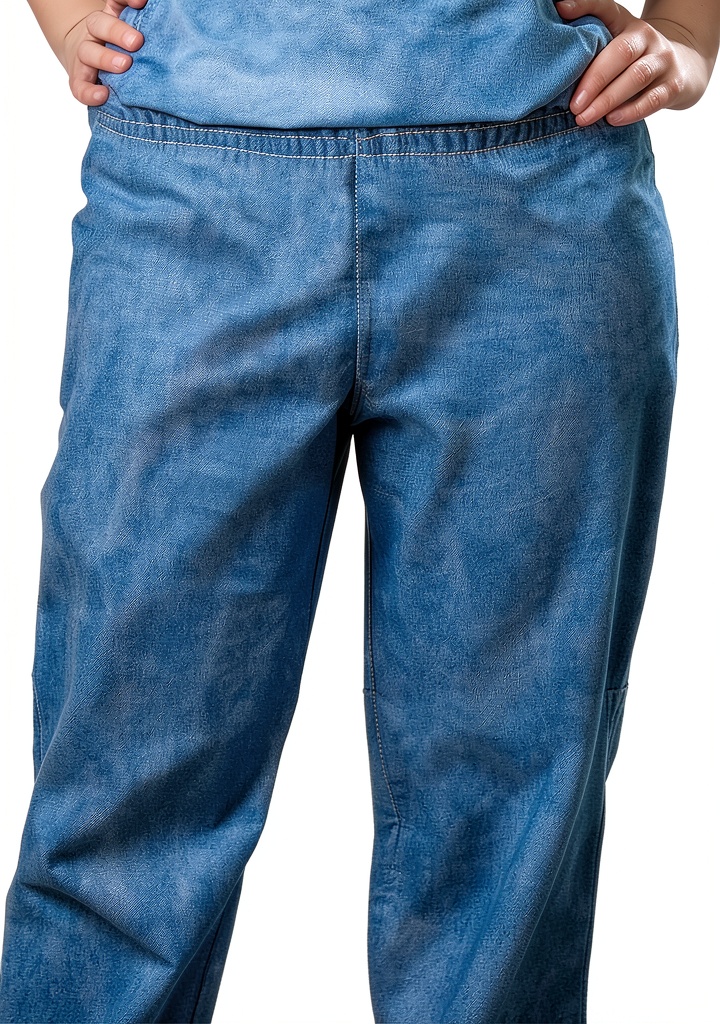
The first thing you notice unpacking the Tronex disposable pants is their utilitarian approach. These aren’t fashion-forward scrubs pretending to be streetwear—they’re straightforward clinical garments that prioritize function. The nonwoven material has a slight paper-like texture that softens with movement, striking a middle ground between the plasticky feel of budget options and the cloth-like comfort of premium disposables.
The elastic waistband deserves particular praise for its thoughtful design. Unlike some disposable pants that use cheap, narrow elastic that cuts into your sides, Tronex uses a wider band that distributes pressure evenly. I found it comfortable through eight-hour shifts without the need for constant adjustment. The internal drawstring provides additional security for those worried about waistband failure—a legitimate concern with disposable garments.
Performance in Real Use
I tested these fluid resistant scrub pants across three common healthcare scenarios: busy medical-surgical floor duties, emergency department triage shifts, and outpatient clinic work. The performance varied noticeably between these environments.
During med-surg shifts with routine patient care, the pants handled accidental medication spills and minor body fluid splashes without issue. The protection held during brief exposures, and the material didn’t become saturated. However, during an emergency department code blue with significant fluid exposure, the limitations became apparent. While the pants prevented immediate penetration, the protection felt borderline during sustained contact with large fluid volumes.
The breathability is adequate but not exceptional. For clinic work and moderate activity, the pants remained comfortable without excessive moisture buildup. During more physically demanding tasks like rapid patient transfers or prolonged standing in warm environments, I noticed some condensation—similar to most mid-range disposables but not as advanced as premium options like certain MRI-specific pants.
Ease of Use
Where these disposable scrub pants genuinely excel is in their straightforward usability. The packaging opens easily without struggling against impossible plastic seals. The pants unfold ready to wear without extensive preparation—a small but meaningful detail when you’re rushing between patients.
The straight-leg design accommodates various body types without billowing excess material. I found the fit true to size for average heights, though at 6’2″, I noticed the length was slightly shorter than ideal. Shorter colleagues reported perfect fit, while another tall nurse confirmed the length challenge. If you’re above average height, consider sizing up.
Durability & Reliability
Durability expectations need calibration with disposable garments. These aren’t designed for multiple shifts or aggressive wear. Through testing, I found the Tronex pants reliably lasted a full shift without developing holes or tears during normal movement. The seams held during squatting and bending, and the waistband maintained its elasticity through extended wear.
The critical durability test comes during emergency situations where rapid movement is required. During mock emergency drills, the pants performed adequately without ripping, though the material felt stressed during extreme range-of-motion exercises. For routine clinical work, the durability is sufficient; for trauma settings with unpredictable physical demands, you might prefer more robust options.
Pros & Cons
Advantages:
- Effective fluid resistance for routine exposures – handles splashes and brief contact well
- Comfortable waistband design – doesn’t dig in during long shifts
- Reasonable breathability – more comfortable than budget plastic-feel options
- True-to-size fit for most body types – accommodates various shapes without billowing
- Good value positioning – better protection than budget options without premium price
Limitations:
- Not suitable for high-fluid volume procedures – protection has limits during massive exposures
- Length challenges for taller individuals – may require sizing up
- Lacks advanced comfort features – doesn’t match the cloth-like feel of premium disposables
- No ASTM certification – some facilities require specific protection ratings
- Minimal pocket space – single back pocket limits storage options
Comparison & Alternatives
Understanding where Tronex disposable pants fit in the market requires comparing them to both budget and premium options.
Budget Alternative: Generic Hospital Disposables
Many hospitals supply generic disposable pants that cost significantly less—often $30-40 per pack. These typically feature thinner materials, narrower elastic bands, and minimal fluid resistance. Choose budget options only for low-risk environments like administrative areas or when changing frequently. The Tronex represents a meaningful upgrade in protection and comfort for relatively modest additional cost.
Premium Alternative: MRI-Specific Disposable Pants
Specialized disposables like those designed for MRI environments cost significantly more—often $90-120 per pack. These typically feature advanced materials with cloth-like comfort, certified fluid protection ratings, and enhanced durability. Invest in premium options if you work in high-risk environments like surgical suites, trauma centers, or procedures with substantial fluid exposure. The protection difference justifies the cost when safety is paramount.
The Tronex occupies the sensible middle ground—better than budget options for daily clinical work, but not over-engineered (or over-priced) for routine use. They represent what I call “appropriate protection” for most healthcare settings.
Buying Guide / Who Should Buy
Best for beginners: New healthcare professionals will appreciate the straightforward design and reliable performance. The balance of adequate protection without complexity makes these an excellent starting point for those new to disposable scrubs. You’ll learn what matters in clinical protection without overspending on features you might not need.
Best for professionals: Experienced healthcare workers in busy clinical settings will find these pants deliver consistent performance for daily demands. The combination of fluid resistance, reasonable comfort, and mid-range pricing works well for nurses, technicians, and dental professionals who need protection but don’t face constant high-volume fluid exposures.
Not recommended for: Surgeons in lengthy procedures, emergency trauma teams, or professionals working with hazardous chemicals should seek higher-grade protection. The lack of specific ASTM ratings and limitations during sustained fluid contact make these unsuitable for high-risk environments where certification matters.
FAQ
How do these compare to regular cloth scrubs?
Disposable scrubs like the Tronex pants offer contamination control that cloth scrubs can’t match. You eliminate cross-contamination risks between shifts and don’t face laundry challenges. However, you sacrifice the comfort and environmental friendliness of reusable options. Choose disposables when infection control priorities outweigh other considerations.
Are they truly fluid resistant or waterproof?
Important distinction: they’re fluid resistant, not waterproof. They’ll handle splashes and brief contact effectively, but sustained fluid exposure may eventually penetrate. Think of them as rain jackets rather than diving suits—adequate for most clinical encounters but not designed for immersion scenarios.
How is the sizing accuracy?
Generally true to size for average heights, but taller individuals should consider sizing up. The waistband accommodates various shapes well, but the length can be challenging if you’re above 6 feet. When uncertain, ordering one size larger typically resolves fit concerns.
Are these worth the price compared to cheaper options?
The value becomes clear when you consider protection reliability. Budget disposables often fail when you need them most, while premium options offer diminishing returns for routine use. At their price point, the Tronex pants deliver appropriate protection without over-engineering—making them cost-effective for daily clinical work.
Can they be reused in low-risk situations?
Technically possible, but not recommended. The protection integrity decreases with wear, and the purpose of disposables is single-use contamination control. Reusing them defeats their primary safety benefit and may compromise protection when you need it.
After extensive testing across different healthcare environments, I can confidently say the Tronex Disposable Scrub Pants deliver what they promise: reliable mid-range protection for clinical settings where fluid exposure is a concern but not a constant threat. They won’t replace specialized protective wear for high-risk procedures, but for the daily demands of most healthcare professionals, they strike a sensible balance between protection, comfort, and cost.